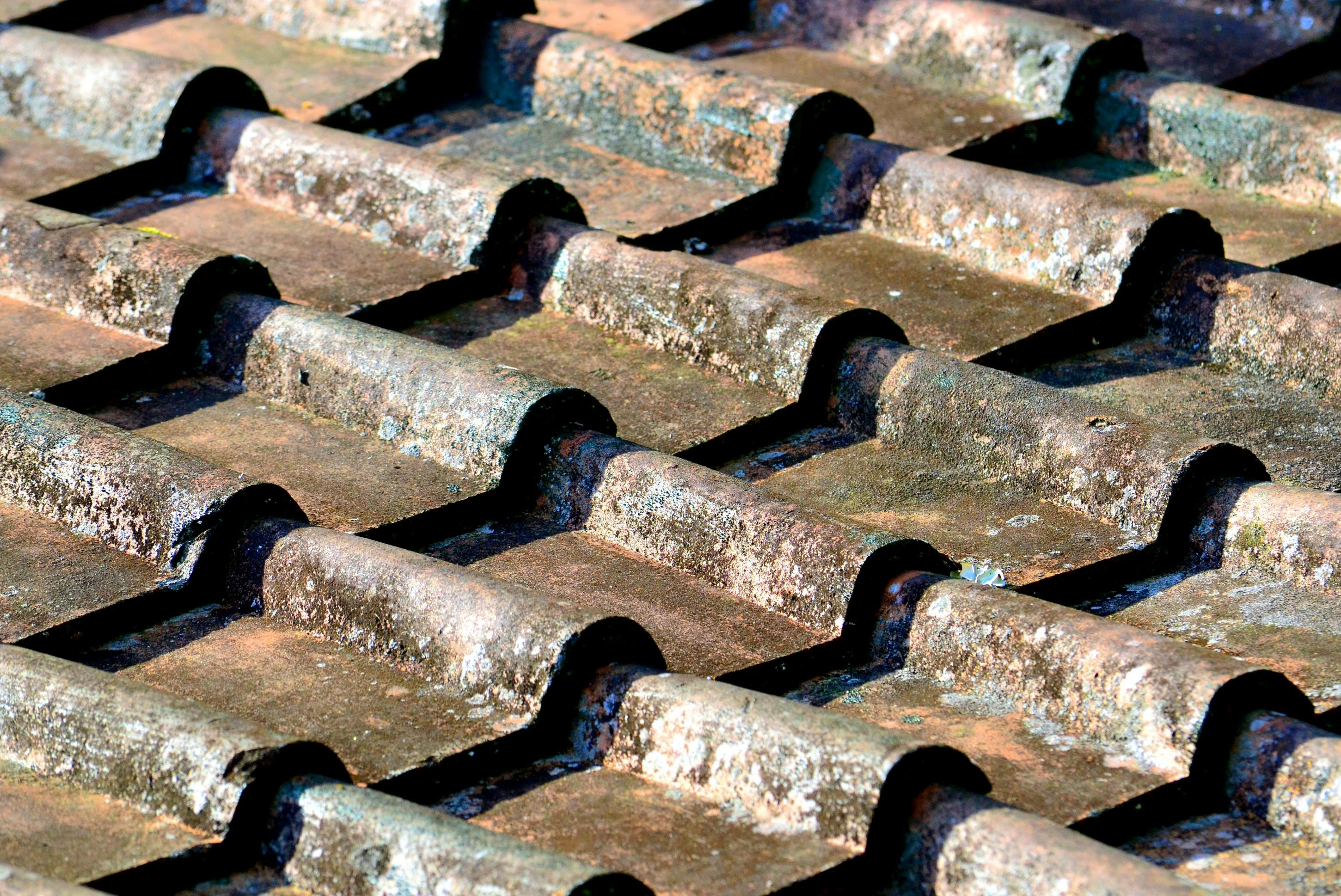
Roof defects in new homes are responsible for some of the most expensive remediation work homeowners face, because water that enters through the roof travels silently through insulation, framing, and wall cavities long before a stain appears on your ceiling. Catching these issues early — ideally before practical completion — is the most reliable way to ensure your builder remedies them under statutory warranty rather than leaving you to fund repairs yourself.
Why roof defects matter more than most
Water is patient. A small gap in a flashing or a tile bedded at the wrong pitch might admit only a few millilitres during light rain, but over months that moisture saturates roof insulation, soaks into timber framing, promotes mould growth in wall cavities, and eventually discolours plasterboard ceilings. By the time you see a brown ring on your living room ceiling, the damage behind it can be substantial.
The National Construction Code (NCC) Volume Two sets out weatherproofing performance requirements for Class 1 buildings — the category covering detached houses and townhouses. These requirements address roof covering materials, drainage capacity, and the installation of sarking and flashings. Builders are obliged to meet these standards, but compliance depends heavily on the quality of on-site workmanship, and inspections by certifiers do not always catch every installation error before the roof space is closed up.
Why roof defects are difficult to detect
The relationship between cause and symptom in a roof is often separated by weeks or months. Water that enters through a penetration flashing on a Tuesday may not cause a visible ceiling stain until the following month’s heavy rain. Water also travels — it follows rafter slopes and framing members, so the entry point can be metres away from where damage becomes visible internally.
Meaningful inspection of a roof requires access to the roof space itself, safe access to the external roof surface, or both. Neither is straightforward for the average homeowner, which is one reason defects persist undetected through practical completion.
The eight most common roof defects in new builds
1. Flashing failures
Flashings are the metal or flexible membrane strips installed wherever the roof meets a wall, changes direction, or is penetrated by a pipe or skylight. They are the single most common source of water ingress in new homes.
Step flashings along the junction of a roof slope and a side wall are often under-lapped or poorly sealed, allowing wind-driven rain to travel behind them. Valley flashings, installed in the internal angle where two roof slopes meet, can be installed with insufficient width or with joins that are not lapped in the correct direction relative to water flow. Penetration flashings around skylights, plumbing vent stacks, and exhaust fans rely on both the flashing geometry and a sealant bead — either element failing is enough to admit water. Ridge and hip flashings at the apex of the roof are exposed to thermal movement and can separate from the ridge capping mortar over time.
2. Improper tile or sheet installation
Roof tiles must be installed with the correct lap and side-by-side spacing specified by the manufacturer, and concrete or terracotta tiles require clips to hold them in high-wind zones. Missing or incorrectly spaced clips are a common defect in tiled roofs that does not become apparent until a storm lifts tiles. Cracked tiles are sometimes laid knowingly because they are not visible from below.
Corrugated and ribbed metal sheet roofing has minimum pitch requirements set out under NCC. Installing metal roofing below these minimums, or with insufficient end-lap at sheet joins, allows water to back-flow under the sheets in heavy rain.
3. Guttering and downpipe capacity
Gutters and downpipes must be sized to the catchment area of the roof and the rainfall intensity of the site, both of which are governed by NCC requirements that reference Bureau of Meteorology intensity data. Undersized gutters overflow during moderate rainfall events and direct water against fascia boards and into wall cavities. Insufficient fall along a gutter run causes ponding, which accelerates corrosion and can allow water to overflow at internal corners.
Poor connections between downpipes and the stormwater system, including absent or loose collars at the boundary of the building, allow water to pool at the foundation.
4. Inadequate roof ventilation
Roof cavities in Australian homes accumulate moisture from occupant activities, and NatHERS-compliant roof construction includes ventilation provisions to manage this. Where sarking is installed as a vapour barrier without corresponding ventilation, condensation can accumulate on the underside of the roof structure, causing timber staining, rust in metal fixings, and degradation of insulation batts. The defect is rarely visible and is typically identified only during a thermal imaging assessment or a roof space inspection in humid conditions.
5. Ridge and hip capping failures
Traditional mortar bedding of ridge and hip cappings has largely been replaced by flexible pointing systems in modern construction, but both approaches appear on new builds depending on the subcontractor. Mortar bedding cracks under thermal movement and must be raked and repointed periodically; in a new home it should not be showing cracking or displacement at handover. Flexible pointing that has been applied too thinly, or not keyed properly into the mortar bed, can peel away within the first year, exposing the ridge to water entry.
6. Penetration sealant failures
Every pipe, duct, and cable that passes through the roof surface creates a potential water entry point. Plumbing vent stacks typically use a lead or rubber boot flashing that is sealed to the stack with a sealant bead. Skylights use a combination of stepped and apron flashings with sealant at corners. Solar panel conduit and exhaust fan penetrations are often installed after the initial roof covering is complete and may not receive the same level of quality checking.
Sealants have a finite life and are subject to UV degradation, but in a new home they should be intact and correctly applied at practical completion. A sealant bead applied in cold conditions or over dust is likely to fail within the first wet season.
7. Fascia and barge board defects
Fascias run horizontally at the eave line and support the gutter. Barge boards close the edges of the roof at gable ends. Both are susceptible to defects including gaps at joins, poorly fitted end caps that allow bird and insect entry, incorrect fixing that allows boards to bow, and priming failures that allow moisture into the timber or fibre cement substrate.
Water that enters behind a poorly fitted fascia saturates the wall framing below the eave line, an area that is completely inaccessible once the wall linings are installed.
8. Sarking and underlay installation
Sarking is installed directly under tiles or metal roofing to provide a secondary barrier against wind-driven moisture and as a vapour management layer. Common defects include tears created during tile battening, laps installed so that upper sheets lap under lower sheets rather than over them (allowing water to run between sheets), and sections that are missing entirely over portions of the roof structure.
A builder who rushes from frame to tiling can miss sarking sections without any visible indicator from outside the roof space.
When to inspect the roof
At frame stage, before sarking and battens are installed, the roof structure is fully visible. An inspection here can identify incorrectly spaced rafters, notching of structural members, or ridge board alignment issues.
At lock-up, once tiling or metal sheeting is complete but before plasterboard is installed internally, a roof space inspection can verify sarking installation, batten spacing, and tile clipping. Gutters and downpipes should also be assessed at this stage.
At practical completion, all penetrations, ridge capping, and gutter-to-downpipe connections should be in place. This is the last opportunity to raise defects with the builder before final payment.
After the first significant rainfall following occupation, inspect all ceiling surfaces carefully and photograph any staining or moisture. Water stains that appear within weeks of occupation are almost always a construction defect rather than maintenance wear.
Ground-level checks versus what requires a qualified inspector
From ground level you can assess ridge and hip capping alignment, check for cracked or displaced tiles, observe gutter fall and any obvious sagging, and note barge board condition. Binoculars assist with detail.
Anything that requires walking the roof surface, entering the roof cavity, or assessing penetration details requires a licensed builder, registered building inspector, or licensed roof plumber. Working at height without appropriate safety equipment is not appropriate for homeowners, and the responsibility for safe access rests with the competent party.
Documenting what you find
Photographs should be taken from multiple angles and distances: a wide shot to establish location, a mid-range shot to show the defect in context, and a close-up to capture detail. Internally, photograph any ceiling stains or wet patches immediately, noting the date and the weather conditions in the preceding 48 hours. If you observe a defect in the roof space, note the approximate rafter bay location using measurements from a known reference point.
Tip: Checka lets you pin defect photos directly to a floor plan or roof plan, timestamp them automatically, and export a structured defect report that your builder or inspector can use immediately.
Warranty coverage for roof defects
In Australia, water entry through the roof is generally treated as a major defect under state legislation because it involves structural or weatherproofing failure.
In Queensland, the QBCC administers a six-year-and-three-month warranty period for structural defects from the date of completion. In New South Wales, the Home Building Act 1989 provides a six-year warranty for major defects. In Victoria, complaints can be lodged with DBDRV (Domestic Building Dispute Resolution Victoria) and matters may proceed to VCAT. In South Australia, disputes are heard by SACAT; in Western Australia by SAT; and in Tasmania by TASCAT.
In addition to state warranties, the Australian Consumer Law (ACL) requires that services be delivered with due care and skill, providing a separate avenue where warranty periods have lapsed or where statutory schemes do not apply.
In the United Kingdom, the National House Building Council (NHBC) Buildmark warranty covers structural and weatherproofing defects for ten years from completion, with the first two years being the builder’s liability period. The New Homes Ombudsman also handles complaints against registered developers. In New Zealand, the Building Act 2004 imposes implied warranties on residential building work.
What to include in a written defect notice
A defect notice for a roof issue should include:
- The precise location of the defect using room references and compass orientation
- A description of the symptom observed, including dates and weather conditions
- A description of any visible cause where accessible
- Photographs with file names referenced in the body of the notice
- Reference to the relevant warranty period and the legislative basis for the claim
- A reasonable timeframe for the builder to inspect and respond (typically 10 to 14 business days for non-urgent defects)
Sending the notice by email with read receipt, or by registered post, creates a dated record that is essential if the matter proceeds to a tribunal or commission.
When to engage an independent inspector
If your builder disputes that a defect exists, if the builder attributes water ingress to your maintenance rather than construction, or if the defect is not visible from accessible areas, an independent inspection by a registered building inspector or licensed roof plumber provides a written expert opinion that carries significantly more weight in tribunal proceedings than photographs alone.
Engaging an independent inspector before the expiry of your warranty period preserves your options. The cost of an inspection is modest relative to the potential remediation costs for a waterproofing failure that has been left unaddressed.
Key takeaways
- Roof defects cause cascading damage through insulation, framing, and finishes before they become visible internally — inspection at frame stage, lock-up, and practical completion is far more effective than discovering problems after occupation.
- Flashing failures at roof-to-wall junctions, valleys, and penetrations are the most frequent source of water ingress in new homes and should be a priority focus at every inspection stage.
- NCC Volume Two sets weatherproofing performance requirements for Class 1 buildings; a builder who fails to meet these requirements is liable under both statutory warranty and the Australian Consumer Law.
- Warranty periods for major defects, including water entry, range from six years under the NSW Home Building Act and QBCC scheme to ten years under the UK NHBC Buildmark warranty — written defect notices must be lodged before these periods expire.
- A defect notice for a roof issue should specify location, symptom, observed cause, photographic evidence, legislative basis, and a reasonable response timeframe.
- If your builder disputes a roof defect, an independent inspection by a registered building inspector or licensed roof plumber provides the expert documentation needed for tribunal or commission proceedings.
Free to download
Stop losing track of defects.
Checka helps you capture issues, stay organised, and arrive at handover with a complete record of your build.